

No Spandex Mechanical Stretch Fabric vs. Spandex Stretch Fabric: A Technical Guide for Apparel and Uniform Applications
2026-06-13
1. Defining No Spandex Mechanical Stretch Fabric: Structure and Elasticity Mechanism
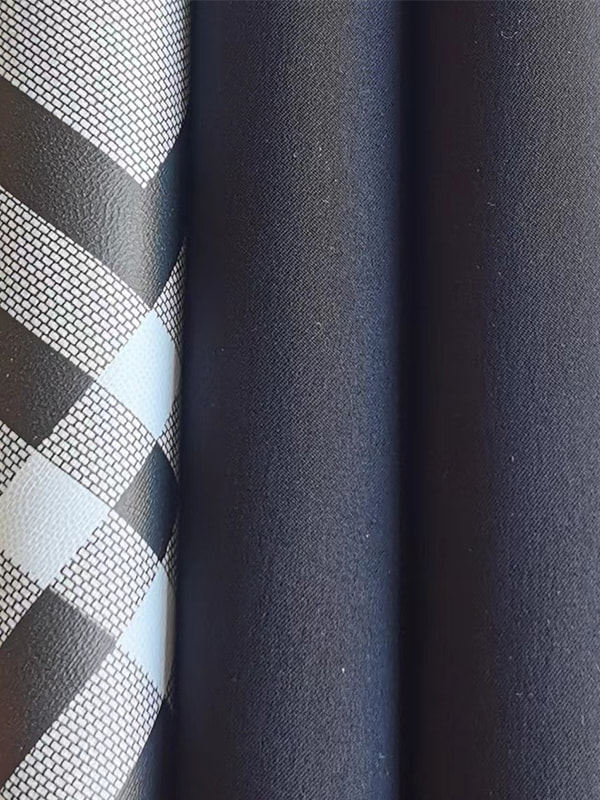
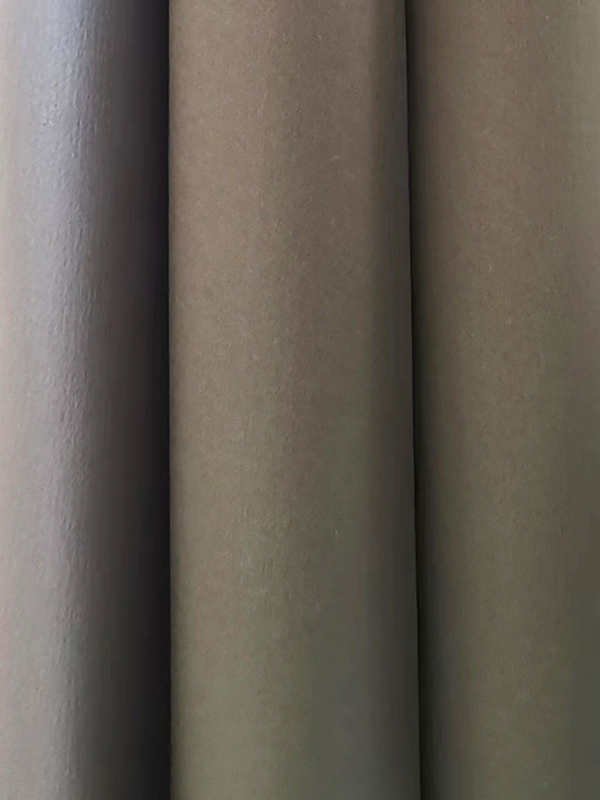
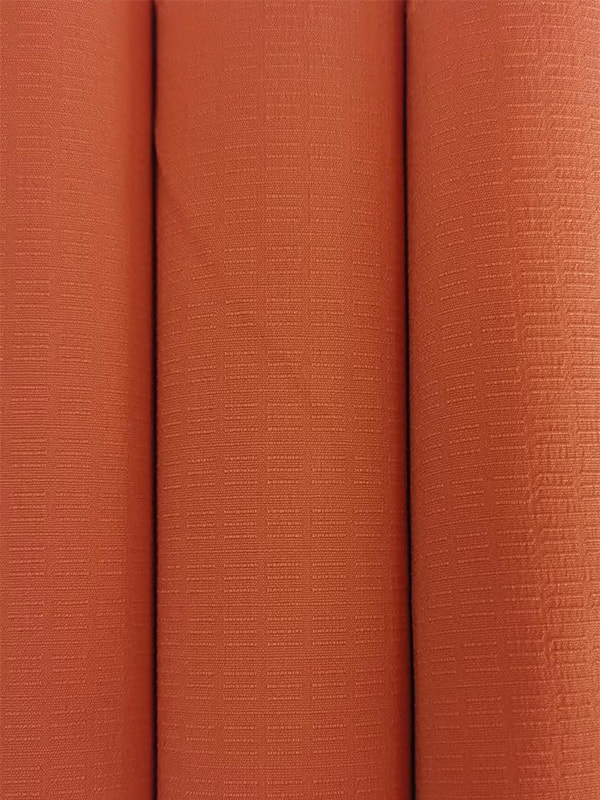
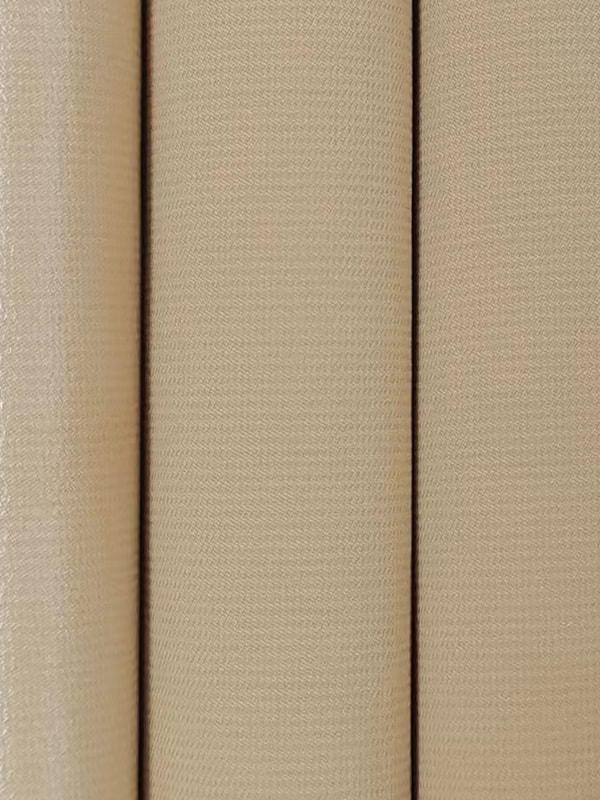
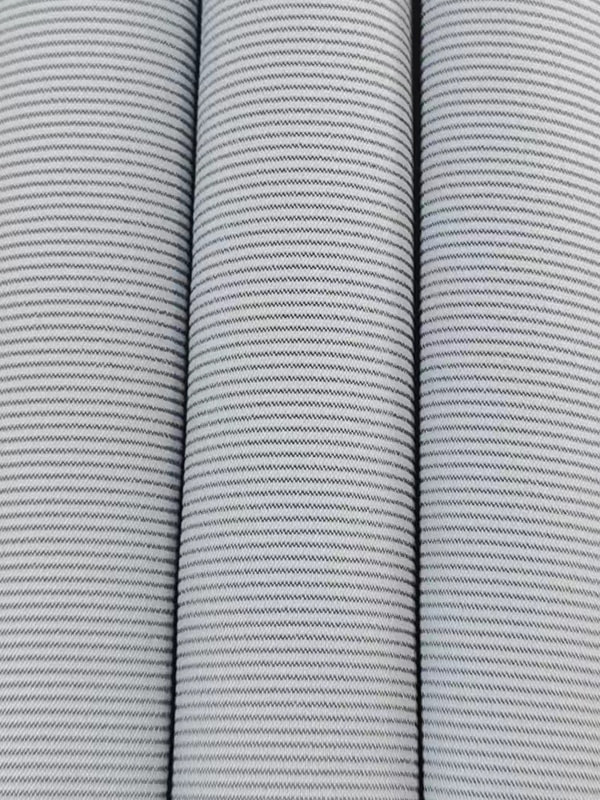
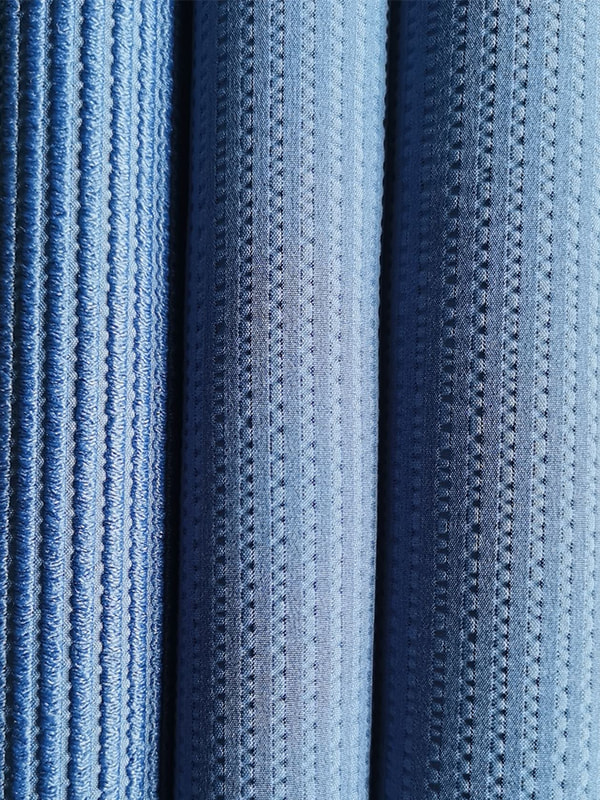
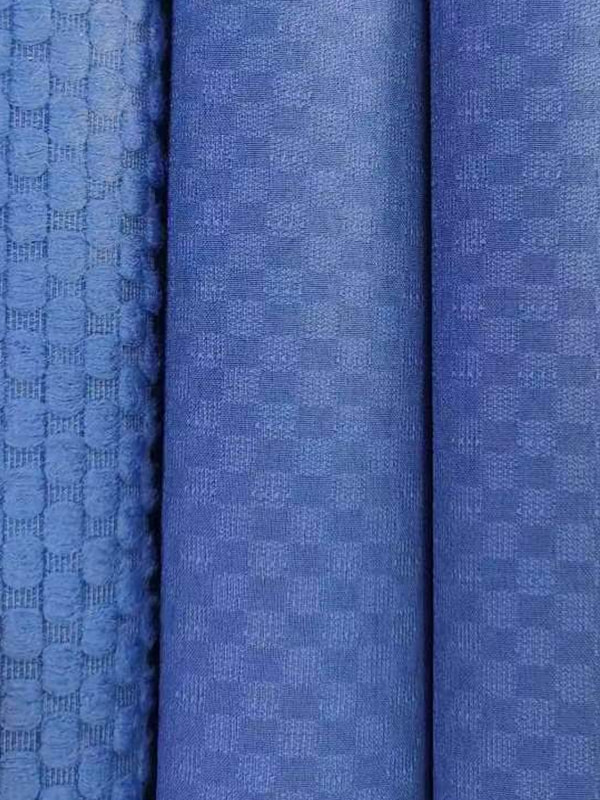
No spandex mechanical stretch fabric is a textile that achieves elasticity through the physical structure of its yarns rather than through the inclusion of elastane (spandex) fibers. The fabric is made from 100% synthetic fibers (typically polyester, nylon, or polypropylene) or blends of synthetic with natural fibers (cotton, viscose). The yarns are subjected to texturing processes—false twist texturing or air deformation—that create a crimped, coiled, or looped structure. Under tension, these crimps straighten, allowing the yarn to elongate. When tension is released, the crimps return to their original coiled shape, pulling the fabric back. This mechanical elasticity provides stretch typically in the range of 15% to 40% in the warp direction, weft direction, or both (bi-stretch). Because no spandex is present, the fabric does not suffer from spandex-related degradation: chlorine resistance is excellent, heat resistance is higher (can be ironed at higher temperatures), and the fabric does not develop the yellowing or loss of elasticity that affects spandex blends after many wash cycles. For detailed technical specifications, sourcing professionals can refer to no spandex mechanical stretch fabric product pages for material data sheets and test reports.
2. Mechanical Stretch vs. Spandex Stretch: Fundamental Difference in Elasticity Source
The fundamental difference between mechanical stretch and spandex stretch lies in the source of elasticity. In spandex stretch fabrics (also called elastane blends), the fabric contains 2% to 10% spandex fibers wrapped around or core-spun with a carrier fiber (typically polyester, nylon, or cotton). The spandex fiber provides high stretch (often 50% to 200%) and excellent recovery. However, spandex is chemically sensitive: chlorine (from swimming pools or bleach) degrades spandex rapidly; high heat (above 150°C) causes permanent damage; and repeated washing causes gradual loss of elasticity. In no spandex mechanical stretch fabrics, the elasticity comes entirely from the textured yarn structure. The stretch percentage is lower (15% to 40% typical) but the fabric has no spandex-related limitations. Mechanical stretch fabrics are chlorine-resistant, can be washed in hot water, can be tumble-dried at higher temperatures, and retain their elasticity for the life of the fabric. The trade-off is that mechanical stretch fabrics have lower ultimate stretch than spandex blends and may have slightly lower recovery (less snap-back) after high-stretch applications. For garments that require moderate stretch (e.g., work shirts, uniform pants, casual jackets), mechanical stretch is often the better choice. For high-stretch garments (e.g., activewear, leggings), spandex blends are still preferred. The table below summarizes key differences.
3. Texturing Technologies: False Twist and Air Deformation for Mechanical Stretch
The elasticity of no spandex mechanical stretch fabric is created during the texturing stage of yarn production. Two primary texturing technologies are used. False twist texturing (also called draw texturing) is the most common method for polyester and nylon yarns. The yarn is heated, twisted at high speed (creating a temporary twist), then cooled to set the twist, and finally untwisted. The process creates a yarn with a permanent helical crimp similar to a telephone cord. The degree of crimp (number of twists per meter) controls the stretch potential: higher twist creates more stretch but also more bulk. False twist textured yarns produce fabrics with good stretch (20-35%) and crisp, dry hand feel suitable for shirts and blouses. Air deformation texturing (also called air jet texturing) uses high-velocity air jets to entangle and loop the filament yarns, creating a texture that resembles spun yarn. The loops and tangles allow the yarn to elongate under tension. Air-deformed yarns produce fabrics with a softer, more cotton-like hand feel and moderate stretch (15-25%). Air-deformed yarns are often used in blends with cotton or viscose for workwear and casual apparel. Some high-performance mechanical stretch fabrics combine both technologies: false twist textured yarns in one direction and air-deformed in the other to achieve bi-stretch with different stretch characteristics in warp and weft.
4. Stretch and Recovery Performance: Comparing Elasticity Parameters
Stretch and recovery are measured using standard test methods such as ASTM D3107 (for woven fabrics) or ASTM D2594 (for knitted fabrics). Three parameters are typically reported. Stretch percentage (elongation) is the maximum length increase under a specified tension, expressed as a percentage of the original length. For mechanical stretch fabrics, typical values are 15% to 40%. For comparison, spandex blends typically achieve 50% to 200% stretch. Immediate recovery (also called elastic recovery) is the percentage of the stretch that is recovered immediately after tension is released. High-quality mechanical stretch fabrics achieve 90% to 95% immediate recovery. Permanent set (also called growth) is the percentage of the stretch that remains as permanent deformation after tension is released and the fabric has rested. For apparel applications, a permanent set of less than 3% is considered good. Mechanical stretch fabrics typically achieve 2% to 4% permanent set, comparable to spandex blends. However, after multiple stretch cycles (e.g., 10 cycles to 50% stretch), mechanical stretch fabrics may show slightly higher permanent set than spandex blends. For applications requiring repeated high-stretch (e.g., athletic wear), spandex blends are superior. For applications requiring moderate stretch with excellent long-term durability (e.g., work shirts, uniform pants), mechanical stretch fabrics are excellent.
5. Anti-Wrinkle Properties and Fabric Appearance Retention
One of the significant advantages of no spandex mechanical stretch fabric is its inherent anti-wrinkle property. The textured yarn structure acts like a series of tiny springs that help the fabric return to its original flat state after being crushed or folded. This is particularly valuable for workwear, uniform shirts, and travel clothing where wrinkle resistance reduces ironing requirements. The anti-wrinkle performance is measured by the wrinkle recovery angle (WRA) test (AATCC 66 or ISO 2313). Mechanical stretch fabrics typically achieve wrinkle recovery angles of 250° to 300° (out of a possible 360°), indicating good to excellent wrinkle resistance. Spandex-containing fabrics have similar or slightly lower wrinkle recovery because the spandex fibers themselves do not contribute to wrinkle recovery and may cause permanent set if ironed at incorrect temperatures. Additionally, mechanical stretch fabrics maintain their flat appearance after washing. Because the textured yarns return to their crimped state during drying, the fabric does not develop the permanent creases or "bagging" that can affect some spandex blends after repeated wear. For garments that must look crisp throughout the workday, mechanical stretch fabric is an excellent choice.
6. Durability After Washing: Mechanical Stretch vs. Spandex Degradation
The long-term durability of stretch fabrics under repeated washing is a critical consideration for workwear, uniforms, and everyday apparel. Spandex fibers degrade over time due to three main factors: chlorine exposure (from tap water, bleach, or swimming pools), high heat (above 150°C from ironing or high-temperature drying), and oxidation (from air exposure). After 50 home launderings, a typical spandex blend fabric may lose 30% to 50% of its original elasticity. The fabric may become loose, baggy, or develop a "bubbled" appearance where the spandex fibers have broken unevenly. No spandex mechanical stretch fabric has no spandex to degrade. The textured yarn structure is inherently stable and does not degrade with washing, heat, or chlorine exposure. After 50 to 100 washes, a mechanical stretch fabric retains 90% to 95% of its original elasticity. The fabric may show some gradual relaxation of the textured crimp over many years, but it will not experience the rapid loss of elasticity that characterizes spandex blends. For industrial workwear that is washed frequently (e.g., uniforms that are laundered weekly), mechanical stretch fabric offers significantly longer service life. The table below summarizes durability after repeated washing.
| Wash Cycles | Mechanical Stretch Fabric (Elasticity Retention) | Spandex Blend Fabric (Elasticity Retention) | Comments |
|---|---|---|---|
| 10 washes | 98-100% | 85-95% | Both perform well initially |
| 25 washes | 95-98% | 70-85% (significant loss possible) | Spandex degradation accelerates |
| 50 washes | 90-95% | 50-70% (visible loss of fit) | Mechanical stretch retains most elasticity |
| 100 washes | 85-90% | 30-50% (garment may be baggy) | Mechanical stretch significantly outlasts spandex |
7. Application Guide: Shirts, Pants, Jackets, Workwear, and Household Textiles
No spandex mechanical stretch fabric is suitable for a wide range of apparel and household applications, with specifications varying by use case. For work shirts and uniform shirts (corporate uniforms, hospitality uniforms, medical scrubs), mechanical stretch fabric with 15-25% stretch in the weft direction is recommended. The fabric should have good anti-wrinkle properties (wrinkle recovery angle above 250°) and be machine washable. Polyester or polyester-cotton blends are typical. For work pants and uniform trousers (industrial workwear, service uniforms), mechanical stretch fabric with 20-30% stretch in both warp and weft (bi-stretch) provides freedom of movement for bending and squatting. Nylon or polyester with air-deformed texture offers softer hand feel. For casual jackets and outerwear, mechanical stretch fabric with 15-20% stretch and durable water-repellent (DWR) finish is used. The stretch allows the jacket to move with the wearer without restricting arm movement. For household textiles (fitted sheets, sofa covers, mattress covers), mechanical stretch fabric with 25-40% stretch provides easy fitting while maintaining shape after repeated washing. The absence of spandex means the fabric will not degrade from exposure to laundry detergents or chlorine bleach. The table below matches applications with recommended specifications.
8. Quality Specifications for Export: Certifications and Testing Standards
For manufacturers exporting no spandex mechanical stretch fabric, documented quality and compliance certifications are essential. The most requested tests and standards include: Stretch and recovery testing (ASTM D3107 for woven fabrics or ASTM D2594 for knitted fabrics), Wrinkle recovery angle (AATCC 66 or ISO 2313), Dimensional stability to washing (AATCC 135 or ISO 5077, measuring shrinkage), Tensile strength (ASTM D5034 or ISO 13934-1), Tear strength (ASTM D1424 or ISO 13937-2), Color fastness to washing (ISO 105 C06 or AATCC 61), Color fastness to light (ISO 105 B02, grade 4 minimum at 100 hours), and Color fastness to rubbing/crocking (ISO 105 X12 or AATCC 8). For fabrics exported to the European Union, REACH compliance including SVHC (substances of very high concern) and azo dye testing is required. For fabrics intended for children's apparel, OEKO-TEX STANDARD 100 Class I certification is mandatory. For workwear used in food processing or healthcare, additional testing for antimicrobial properties or fluid resistance may be required. Many large retailers also require factory audits covering ISO 9001 quality management systems. Manufacturers who maintain current certifications and transparent quality records gain a competitive advantage in international sourcing.
Frequently Asked Questions About No Spandex Mechanical Stretch Fabric
Q1: How much stretch can I expect from no spandex mechanical stretch fabric?
A: Mechanical stretch fabrics typically provide 15% to 40% stretch, depending on the texturing process and fabric construction. False twist texturing yields 20-35% stretch; air deformation texturing yields 15-25%. This is less than spandex blends (50-200%) but sufficient for workwear, uniforms, shirts, and casual apparel. For high-stretch applications (activewear, leggings), spandex blends remain the better choice.
Q2: Does mechanical stretch fabric lose elasticity after washing?
A: No. Unlike spandex blends, which degrade with chlorine and heat exposure, mechanical stretch fabric retains 90-95% of its original elasticity even after 100 washes. The textured yarn structure is inherently stable and does not chemically degrade. This makes mechanical stretch fabric ideal for workwear and uniforms that are laundered frequently.
Q3: Is no spandex mechanical stretch fabric more wrinkle resistant than regular fabric?
A: Yes. The textured yarn structure acts as a series of tiny springs that help the fabric return to its flat state after being crushed. Mechanical stretch fabrics typically achieve wrinkle recovery angles of 250-300° (compared to 200-230° for standard woven fabrics). This significantly reduces ironing requirements for work shirts and uniform pants.
Q4: Can mechanical stretch fabric be bleached or washed in hot water?
A: Yes. Because there is no spandex to degrade, mechanical stretch fabric is resistant to chlorine bleach and can be washed in hot water (up to 60-90°C / 140-194°F) without losing elasticity. This is a major advantage for healthcare and food processing uniforms that require high-temperature sanitization. Always check the specific fiber composition (polyester, nylon, cotton) for their individual temperature limits.
Q5: Is mechanical stretch fabric suitable for garments that require frequent ironing?
A: Yes. Mechanical stretch fabric can be ironed at higher temperatures than spandex blends (up to 200°C / 390°F for 100% polyester) without damaging the elasticity. The textured yarn structure is heat-stable. However, for fabrics with cotton content, follow cotton ironing guidelines (lower temperature). The anti-wrinkle properties of mechanical stretch fabric reduce the frequency of ironing needed.
References and Further Reading
- ASTM International. (2023). ASTM D3107-07(2023): Standard Test Methods for Stretch Properties of Fabrics Woven from Stretch Yarns. West Conshohocken, PA: ASTM.
- ASTM International. (2023). ASTM D2594-21: Standard Test Method for Stretch Properties of Knitted Fabrics Having Low Power. West Conshohocken, PA: ASTM.
- American Association of Textile Chemists and Colorists. (2023). AATCC Test Method 66-2020: Wrinkle Recovery of Woven Fabrics. Research Triangle Park, NC: AATCC.
- International Organization for Standardization. (2022). ISO 5077:2007 – Textiles — Determination of dimensional change in washing and drying. Geneva: ISO.
- SGS Group. (2024). Test Methods for Mechanical Stretch Fabrics: A Technical Guide for Apparel Sourcing Professionals. Geneva: SGS Publications.
Contactați -ne pentru mai multe detalii
Nu ezitați să contactați când aveți nevoie de noi!
Categorii de produse
Informații de contact
-
No.1 Huanhu Road (clădirea I) Pingwang, Wu Jiang, Suzhou, Jiangsu, China
-
+86-13962557213
-
+86-512-80739991-801
-
+86-512-80739990
-
